
Essential Pooja Items for Celebrating Festivals and Rituals
- webmansthutisu
- Feb 19
- 3 min read

Updated: Feb 26
Hindu festivals and rituals are vibrant expressions of faith, culture, and community. Central to these occasions is the pooja, a sacred act of worship that involves offering prayers and items to deities. Having the right pooja essentials not only enhances the spiritual experience but also ensures that the celebration follows traditional customs with respect and devotion. This guide highlights the key items needed for pooja during Hindu festivals and rituals, helping devotees prepare thoughtfully for their prayers and celebrations.

1. Pooja Thali (Plate)
The pooja thali is the foundation of any ritual. It is a plate, usually made of brass, copper, or silver, that holds all the items needed for the pooja. The thali keeps everything organized and sacred during the prayers.
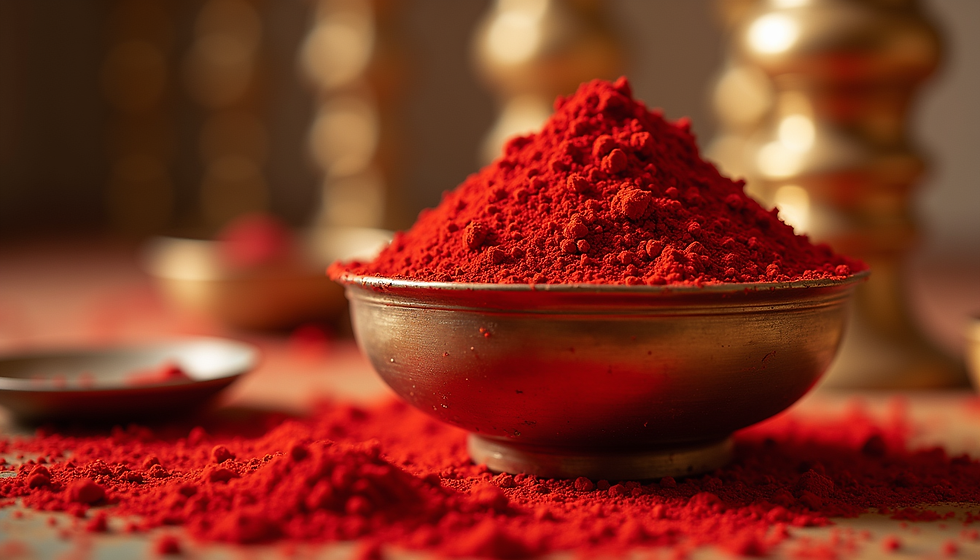
Common items on the thali: diya (oil lamp), kumkum (red vermilion powder), haldi (turmeric powder), rice grains, flowers, and incense sticks.
The thali symbolizes completeness and purity, making it essential for all Hindu festivals such as Diwali, Navratri, and Ganesh Chaturthi.
2. Diya (Oil Lamp)
Lighting a diya is a vital part of pooja. It represents the removal of darkness and ignorance, inviting divine light and blessings.
Diyas are usually made of clay or metal and filled with oil or ghee.
During festivals like Diwali, multiple diyas are lit to decorate homes and temples.
The flame is considered sacred and should be handled with care during prayers.
3. Incense Sticks and Dhoop
Incense sticks and dhoop create a fragrant atmosphere that purifies the surroundings and helps focus the mind during prayers.
Choose natural incense with sandalwood, jasmine, or rose scents.
Light the incense before starting the pooja to invite positive energy.
The smoke is believed to carry prayers to the divine.
4. Fresh Flowers and Garlands
Flowers are an offering of beauty and devotion. They are used to decorate the altar, idols, and pooja thali.
Common flowers include marigold, jasmine, rose, and lotus.
Garlands made of fresh flowers are often draped around deities during celebrations.
Flowers symbolize purity, freshness, and the transient nature of life.
5. Kumkum, Haldi, and Chandan (Sandalwood Paste)
These powders and pastes are used for marking the forehead and idols, signifying blessings and protection.
Kumkum is a red powder made from turmeric and lime, used for tilak.
Haldi (turmeric) is yellow and symbolizes purity and auspiciousness.
Chandan (sandalwood paste) has a cooling effect and a pleasant fragrance.
Applying these substances during pooja is a traditional way to invite divine grace.

6. Fruits and Sweets
Offering fruits and sweets during pooja is a way to express gratitude and seek blessings for prosperity and health.
Seasonal fruits like bananas, mangoes, and coconuts are commonly used.
Sweets such as laddoos, pedas, and barfis are traditional offerings.
These items are later distributed as prasad (blessed food) among family and guests.
7. Holy Water and Kalash
Water holds a sacred place in Hindu rituals. It is used for purification and sanctification.
A kalash is a metal pot filled with water, often topped with mango leaves and a coconut.
The kalash symbolizes abundance and life.
Holy water from rivers like the Ganges is preferred for sprinkling during pooja.
8. Bell (Ghanti)
Ringing the bell during pooja signals the start of prayers and invites the deity’s presence.
The sound is believed to ward off negative energies.
Bells come in various sizes and metals, often ornately designed.
Devotees ring the bell gently while chanting mantras or singing hymns.
9. Sacred Texts and Mantras
Reciting from holy scriptures or chanting mantras is an integral part of pooja.
Texts like the Bhagavad Gita, Ramayana, or specific festival-related scriptures are used.
Mantras invoke divine blessings and create a spiritual atmosphere.
Many families keep printed or handwritten copies of these texts near the pooja area.

Preparing for a Meaningful Celebration
Gathering these pooja essentials ahead of time helps devotees focus on the spiritual aspects of the festival. Each item has a symbolic meaning that enriches the prayers and connects participants to centuries-old traditions. Whether celebrating a major festival or performing daily rituals, having the right pooja items creates an atmosphere of reverence and joy.


Comments